
How solar charging works day to day
Solar panels turn daylight into electricity for the house first. When the house needs less than the roof is producing, the surplus can go into a home battery or straight into the car through a smart charger. The charger watches what the panels are generating and adjusts the charging rate, so the car takes the surplus rather than drawing from the grid.
If the car is usually at work during the day, the battery matters more. It soaks up the daytime surplus, and the car or the house can draw on it in the evening when you get home.
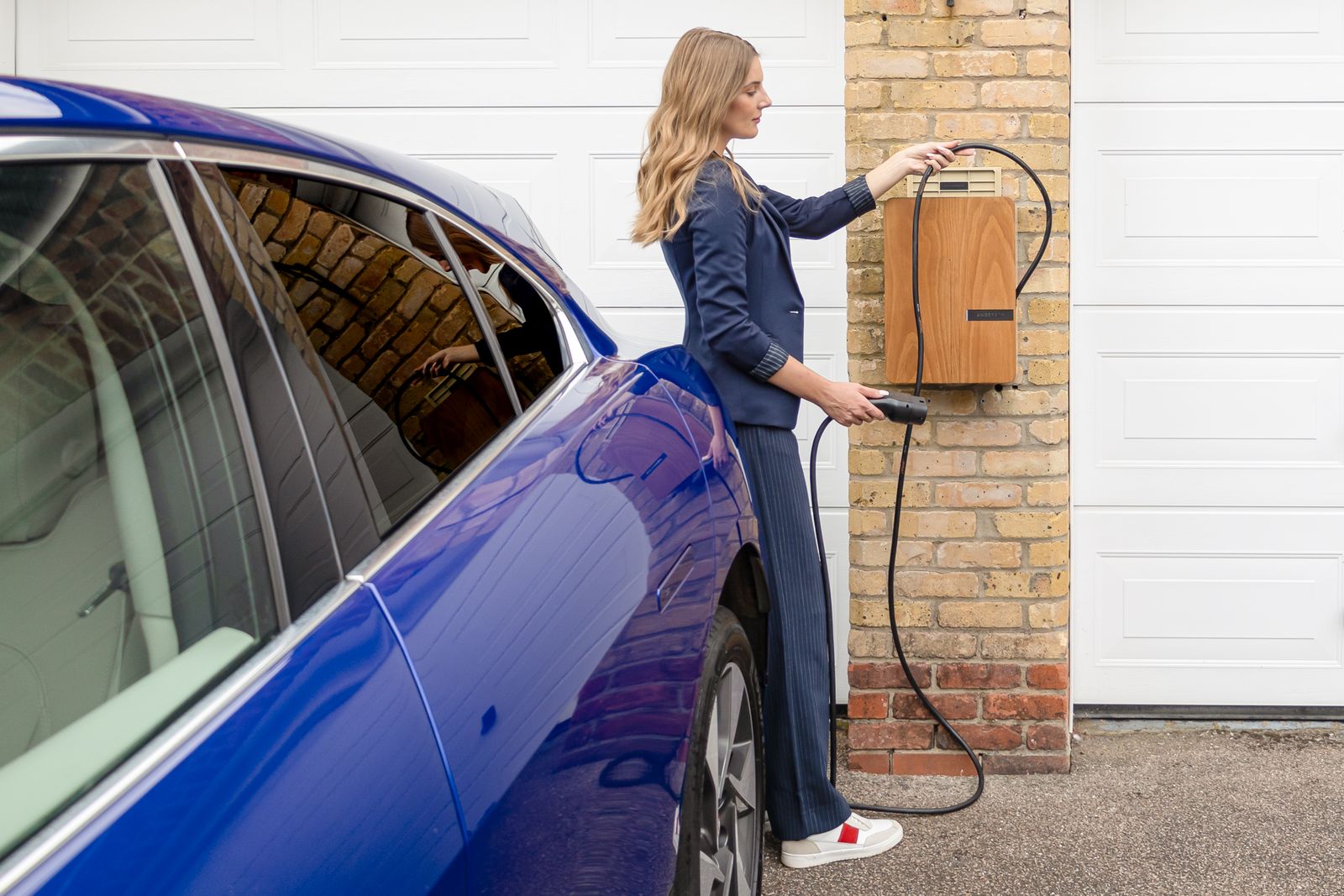
What to expect through a Scottish year
Long summer days give the most generation, and that is when solar charging covers the biggest share of your driving. From late autumn to early spring the days are short and often overcast, so the panels produce much less. That is normal, and it is planned for at the survey.
In the darker months the battery and charger lean on the overnight tariff instead. The car charges while you sleep at the off-peak rate, and the battery stores off-peak power for the house to use the next day.
Sizing the system around your driving
The surveyor looks at the size, angle and shading of your roof, how far you drive, and whether the car is usually at home in daylight. Those answers decide how many panels fit, how much battery storage makes sense, and which charger suits your car.
Every figure in your quotation comes with its assumptions written beside it, so you can see what the design is based on and change anything that does not match how you live.
We install through MCS-certified partners across Scotland. Your postcode decides whether SP Energy Networks or SSEN is your network operator, and the network approval is handled as part of the process.
Reviewed by the Scottish Energy Efficiency team. Last updated: 28 October 2026.